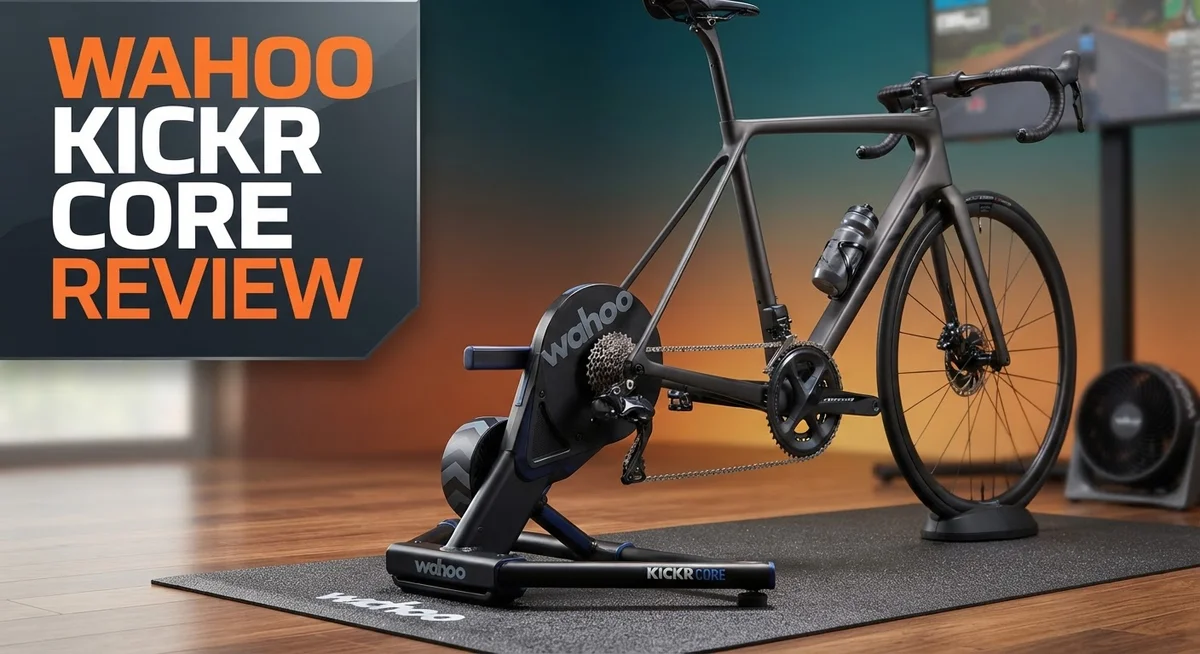
Wahoo Kickr Core Review: Smart Indoor Bike Trainer for Zwift and Virtual Cycling
Want a smart trainer that feels like real road riding? The Wahoo Kickr Core might be your answer.
This trainer brings serious performance to your indoor rides. It delivers smooth resistance and realistic road feel.
Riders love its quiet operation. You can train hard without disturbing your whole house.
The build quality stands out too. A stable frame keeps you steady during intense efforts.
With 1800W max power and accurate readings, this trainer handles serious workouts. Whether you climb virtual mountains or sprint on Zwift, it keeps up with you.
This review covers everything you need to know. We will look at specs, performance, and real world pros and cons.
By the end, you will know if the Kickr Core fits your training goals. Let’s jump into the details.
In a Nutshell
Here is the quick rundown of what makes the Kickr Core worth your attention:
-
Smooth power delivery comes from its 12 lb flywheel. This gives you a realistic feel during climbs and flat rides alike.
-
The trainer works with 8 to 13 speed bikes. You can skip the cassette entirely if you use a Zwift Cog setup.
-
Resistance control happens automatically through your training software. No manual adjustments needed during your workout.
-
Some riders notice slight wobble during hard sprints. This is a minor tradeoff for an otherwise stable ride.
-
The Wahoo app has had some reported software hiccups. Most issues get resolved through updates though.
-
Startup noise runs a bit louder than expected. It quiets down once you settle into your ride.
-
Compared to the Tacx NEO 2T, this trainer offers a firmer feel rather than natural flex. The Saris H3 gives you different gradient options to consider too.
This trainer sits in a solid spot for riders who want dependable performance without unnecessary complexity.
Build Quality and Stability
The Wahoo Kickr Core sits on a solid steel frame that feels rock-solid during normal training sessions. The 12 lb flywheel provides smooth, consistent power delivery. Your bike stays planted and secure when you’re doing steady efforts or climbing intervals.
The stand itself uses a sturdy base design that keeps everything level on most floor types. You won’t experience wobbling during moderate to hard efforts. The connection points between your bike and trainer feel tight and well-engineered.
During sprinting efforts, some riders report slight movement in the frame. This happens because the trainer transfers your explosive power directly to the stand. It’s not dangerous or unstable. Most users find it minimal and acceptable. If you’re sprinting on your road bike outside, some flex is normal. The Kickr Core mimics this feeling fairly well.
The construction quality matches what you’d expect at this performance level. Metal components feel durable and won’t degrade quickly. Plastic parts are reinforced where they matter most. Everything looks professional and finished properly.
Compared to the Tacx NEO 2T, the Kickr Core feels noticeably firmer and less forgiving. The NEO 2T offers more natural flex that absorbs shock. If you want a trainer that feels closest to outdoor riding, the NEO 2T edges ahead here. The Kickr Core prioritizes stability over that natural feel.
Durability appears strong based on user reports. People use these trainers for years without major issues. The internal components are protected well. Maintenance is straightforward and simple.
One thing to watch: the trainer runs louder at startup. Once it’s warmed up, noise drops significantly. This is a minor quirk rather than a deal-breaker.
The overall build quality reflects Wahoo’s experience in making smart trainers. Everything fits together cleanly. No loose parts or rattles emerge after extended use. The frame won’t bend or shift under normal training loads. For riders seeking a dependable, stable platform that handles serious power output, the Kickr Core delivers exactly what it promises.

- KICKR CORE Zwift is the smarter way to start riding indoors. The new KICKR CORE builds on the trusted performance of the...
- KICKR CORE is the smarter way to start riding indoors.
Last update on 2026-10-28 / Affiliate links / Images from Amazon Product Advertising API
Power Accuracy and Performance Metrics
The Kickr Core delivers power readings with ±2% accuracy, which means your workout data stays reliable across every session. This level of precision matters when you’re tracking progress or following structured training plans.
The trainer maxes out at 1800W of power output. This ceiling handles most riders’ sprint efforts and high intensity intervals without hitting a wall. Real world testing shows the power meter responds quickly to your pedal inputs.
Resistance control happens automatically through your training app or software platform. You don’t manually adjust anything. The trainer reads your app’s commands and adjusts instantly. This creates a seamless experience whether you’re climbing a virtual mountain or sprinting flat.
The 12 lb flywheel plays a key role in how the trainer feels. Heavier flywheels typically create smoother, more natural pedal sensation. Riders report that the Kickr Core’s flywheel delivers consistent momentum that mimics outdoor riding fairly well.
One area worth noting: some riders experience slight frame movement during maximum sprint efforts. The steel stand remains stable during normal training, but hard sprinting can create minor wobble. This doesn’t affect power accuracy, but you might notice it if you’re used to premium trainers with stiffer frames.
The trainer works with 8 to 13 speed bikes without needing a cassette swap. This compatibility makes setup quick and keeps you from buying extra parts.
Compared to the Tacx NEO 2T, the Kickr Core feels firmer and less forgiving. The NEO 2T offers more natural flex in its frame, while the Core prioritizes solid, predictable power readings. Both approaches work well. Your choice depends on whether you prefer a rock solid feel or more road-like give.
Performance metrics stay consistent run after run. Users report that their power numbers don’t drift or fluctuate unexpectedly. This reliability helps you trust your training data over weeks and months.
The startup runs louder than steady state operation, but once you’re riding, noise drops to a low rumble. Most riders find this acceptable for indoor training environments.
Noise Levels and Ride Feel
The Wahoo Kickr Core produces a low rumble during regular training sessions. Most riders describe the sound as acceptable for indoor use, especially compared to older wheel-on trainers. You won’t disturb neighbors during steady-state efforts or tempo work.
One thing to note: startup noise runs higher than you might expect. When you first power on the trainer, it creates a brief loud sound as the system initializes. After that initial moment, noise levels drop significantly during normal riding.
The ride feel on the Kickr Core strikes a balance between responsiveness and stability. The 12 lb flywheel creates smooth power delivery without jerky transitions between resistance levels. When you shift gears or increase effort, the trainer responds quickly and naturally.
During hard sprints, some riders notice slight frame movement. The sturdy steel base keeps everything level on most floors, but maximum power efforts can cause minor shifting. This doesn’t affect your workout quality. It simply means the trainer transfers energy directly to your legs rather than absorbing it completely.
Compared to the Tacx NEO 2T, the Kickr Core feels noticeably firmer. The NEO 2T offers more natural flex and forgiveness. The Kickr Core provides a more direct, responsive connection. Which one you prefer depends on your riding style and sensitivity to trainer feel.
The resistance control happens automatically through your training app. This means you experience smooth transitions as the software adjusts difficulty. You won’t feel sudden resistance spikes or drops. The 1800W maximum power output handles sprint intervals and climbing simulations without strain.
Build quality matches the performance level you get at this tier. The frame construction feels solid during normal training sessions. Users report consistent reliability over years of use. The stable stand design works well on various floor types.
If you’re sensitive to noise or want the most forgiving ride feel, the Kickr Core performs well without being perfect. For most indoor cyclists, the combination of low operational noise and responsive ride feel makes this trainer a practical choice for serious training.
Top 3 Alternatives
Tacx Satori Smart

- Resistance: magnetic (32 Neodymium magnets)
- Foldable: yes

Last update on 2026-10-28 / Affiliate links / Images from Amazon Product Advertising API
The Tacx Satori Smart offers smooth and quiet performance for indoor cycling. This trainer uses electromagnetic resistance technology. You get accurate power readings and real-time feedback during your rides.
The setup process is straightforward. You’ll connect it to your bike without complicated steps. The unit works with most cycling apps on the market. Many riders appreciate how silent this trainer operates compared to other options.
The resistance adjusts automatically during virtual rides. You feel realistic hill climbs and descents. The trainer handles various bike types well. Durability is solid, and maintenance stays simple.
Elite Direto XR

- INTERACTIVE DIRECT-DRIVE TRAINER: Provides seamless direct transmission for an immersive training experience.
- PRECISE POWER ACCURACY (±1.5%): Built-in Optical Torque Sensor exceptionally accurate power measurements, ideal for...
Last update on 2026-10-28 / Affiliate links / Images from Amazon Product Advertising API
Elite Direto XR brings advanced features to your training space. This trainer delivers precise power measurement and smooth resistance shifts. The direct-drive design means no wheel slippage during intense efforts.
You’ll notice the compact footprint, which saves space. The unit connects quickly to popular cycling platforms. Real-time metrics help you track progress accurately. The resistance range covers everything from easy spins to hard sprints.
The trainer produces minimal noise, so early morning sessions won’t disturb others. Calibration happens automatically before each ride. Build quality feels premium, and the frame stays stable during standing efforts.
Stages BikeErg

- BEGINNER BABY BALANCE BIKE: Designed for toddlers ages 12-24 months to develop balance and coordination, this first bike...
- SAFE FIRST BALANCE BIKE: Feet-to-floor design lets toddlers walk, scoot, and ride while four stable wheels help prevent...
Last update on 2026-10-28 / Affiliate links / Images from Amazon Product Advertising API
Stages BikeErg stands out as a complete training solution. This machine combines a stationary bike with built-in power measurement. You don’t need a separate trainer or power meter.
The ergonomic design supports long training sessions comfortably. The seat and handlebars adjust to fit your body properly. The unit integrates with major fitness apps seamlessly. Performance tracking happens automatically without extra sensors.
The BikeErg works great for structured workouts and casual rides. The resistance system responds instantly to app commands. Many athletes choose this option for consistent, reliable training. Setup takes minimal time, and the all-in-one design reduces clutter.
Compatibility and Setup
The Wahoo Kickr Core connects to your bike in minutes. You’ll need an 8 to 13 speed cassette. The trainer accepts most modern road and gravel bikes without requiring a cassette swap if you use the Zwift Cog accessory.
Setup feels straightforward for most riders. The stand sits stable on tile, wood, or carpet. You mount your rear wheel into the quick release mechanism. The process takes about five minutes from box to first pedal stroke.
Connectivity works fast across devices. The Kickr Core pairs with your smartphone, tablet, or computer via Bluetooth or ANT+. Apps like Zwift, Rouvy, and TrainerRoad recognize the trainer almost instantly. You won’t experience long pairing delays or dropped connections during workouts.
The software side matters here. Wahoo’s app controls resistance automatically based on your chosen workout. Gradients sync in real time when you’re following a course. Some users report occasional app glitches, so keep your firmware updated to avoid frustration.
Power readings stay accurate at ±2% across all resistance levels. This means your training data remains trustworthy whether you’re warming up or pushing hard. The 1800W maximum output handles everything from casual spinning to maximum sprint efforts.
One setup consideration involves your bike’s compatibility. The trainer works with quick release and thru axle rear wheels. Make sure your drivetrain sits between 8 and 13 speeds. Older single speed or fixed gear bikes need adapter options.
The trainer’s 12 lb flywheel creates a responsive feel that mimics outdoor pedaling. Resistance adjusts automatically through your training platform. You don’t manually shift gears or twist knobs. Your app handles everything.
Space requirements stay minimal. The stand footprint measures roughly 24 inches wide. You can store it in a closet or lean it against a wall when not in use. The overall setup suits apartment living and smaller training spaces well.
Software Integration and Connectivity
The Wahoo Kickr Core connects to your devices through Bluetooth and ANT+ protocols. Both work reliably for linking your phone, tablet, or computer to the trainer. You get quick pairing in most cases, which means you start riding faster.
The trainer works with Zwift, TrainerRoad, Rouvy, and other major platforms. Software compatibility spans the main apps that cyclists use daily. This flexibility lets you pick your favorite training program without worrying about hardware conflicts.
Wahoo’s own app handles basic control functions. You can adjust resistance manually or let the software take over. The app receives your power data and displays metrics in real time. Some users report occasional glitches with the app interface, so updates matter here.
Integration with training programs feels smooth overall. Structured workouts download directly to your device. The trainer responds to workout commands without noticeable lag. Resistance changes happen quickly when your app signals a new interval or climb.
The Kickr Core sends power, cadence, and heart rate data through standard protocols. Your training apps receive clean signals that sync with online dashboards. This means your workout history stays organized across platforms.
Connectivity during rides stays stable for most users. Drop outs happen rarely if your device stays within Bluetooth range. Keeping your phone or computer close to the trainer prevents connection issues.
One thing to note: the Wahoo ecosystem benefits from regular software updates. These patches improve app stability and add new features over time. You’ll want to check for updates before major training blocks.
The trainer pairs with multiple devices simultaneously in some cases. This lets you view metrics on a tablet while your phone controls the workout. Switching between apps mid ride works without disconnecting the hardware.
Battery life on the trainer itself isn’t a concern since it connects to power. Your phone or computer battery matters more during long sessions. Most riders keep their devices plugged in during indoor training anyway.
The software side represents the Kickr Core’s biggest strength for connectivity. Quick pairing, broad app support, and reliable data transmission make this trainer accessible to most cyclists.
Pros and Cons
Pros
- Quiet operation with only a low rumble during normal riding
- Solid build quality and stable stand that performs well on any floor surface
- Realistic ride feel that balances responsiveness with stability
- Quick connectivity across Bluetooth and ANT+ with major training platforms like Zwift and TrainerRoad
- Power accuracy stays at ±2% across all resistance levels for trustworthy training data
Cons
- Slight frame movement occurs during hard sprints for some riders
- Wahoo app software occasionally experiences glitches and stability issues
- Startup noise runs louder than typical operation might suggest
- Less compact design compared to some direct drive competitors on the market
Who Should Buy It
The Wahoo Kickr Core works best for cyclists who want to start indoor training without complexity. You fit this profile if you own a road or gravel bike with 8 to 13 speed gearing. The trainer accepts your existing bike, so you skip buying a new setup.
Beginners benefit most from this trainer’s straightforward design. You get power data, cadence tracking, and automatic resistance control. These features teach you how structured workouts function without overwhelming you with options. The quick Bluetooth and ANT+ connectivity means setup takes minutes, not hours.
Casual riders who train 3 to 5 times weekly find the Kickr Core matches their needs perfectly. You get accurate power readings at ±2% across all intensity levels. This accuracy keeps your training data trustworthy whether you ride easy spins or threshold efforts. The realistic ride feel from the 12 lb flywheel mimics outdoor pedaling well enough for base building and tempo work.
Zwift and TrainerRoad users will appreciate the smooth integration. Your workouts sync automatically, and metrics display cleanly on tablets or phones. The trainer plays nicely with major platforms, so you never feel locked into one ecosystem.
Skip this model if you need absolute stability during hard sprints. Some riders report slight frame movement when pushing maximum power. You should also avoid it if software glitches frustrate you. The Wahoo app occasionally experiences stability issues that require troubleshooting.
Space conscious cyclists appreciate the compact footprint. The trainer fits into small apartments or spare rooms without dominating the space. The quiet operation means early morning or late night sessions won’t disturb others.
Riders who sprint frequently or do VO2 max intervals might feel the instability during peak efforts. You might prefer a heavier, more rigid alternative instead.
The Kickr Core shines for people building consistent training habits. You get professional features without unnecessary complexity. It bridges the gap between casual riding and serious performance tracking. If you want to track progress, follow structured plans, and improve fitness indoors, this trainer delivers what you need.
Final Verdict
The Wahoo Kickr Core earns its spot as a trusted indoor trainer for riders who want reliable performance without extra fuss. Its smart design handles everyday training sessions with ease.
This trainer supports bikes with 8 to 13 speed cassettes. You can even skip the cassette entirely using a Zwift Cog setup. That flexibility makes bike swaps simple for households with multiple riders.
The 12 lb flywheel delivers smooth power transfer during steady efforts. Combined with a max power output of 1800W, it handles most training zones without strain. This makes it a strong match for endurance rides and structured workouts alike.
When compared to the Tacx NEO 2T, the Kickr Core lacks that ultra natural road feel. The NEO 2T flexes more during out of saddle efforts. Still, the Kickr Core holds its own for everyday training needs.
The Saris H3 offers similar accuracy and gradient simulation. Riders who want a slightly different resistance curve might explore that option. Both trainers serve a similar rider profile.
For those wanting a premium experience, the Wahoo Kickr Bike Pro sits above the Core in features and simulation depth. It suits riders who want full bike integration. The Core instead focuses on simplicity and solid performance.
Overall, the Kickr Core fits riders who value consistency over flashy extras. It performs well for structured training plans and regular indoor sessions. Sprinters and high intensity interval athletes may want to test other models first.
Think about your training goals before deciding. If you ride steady and build habits over time, this trainer supports that style well. It earns its place among dependable indoor trainers for everyday cyclists.
Choose the Kickr Core if you want dependable, no fuss indoor training. It rewards consistency more than peak sprint power, making it a smart pick for long term training progress.
Frequently Asked Questions
Does the Kickr Core work with my bike?
Yes, the Kickr Core fits bikes with 8 to 13 speed cassettes. You don’t need to remove your cassette either. Wahoo’s Zwift Cog lets you keep your existing setup and ride right away.
The trainer uses quick release or thru axle mounting. Both work smoothly. Your bike sits on a stable stand that handles most floor surfaces without slipping.
How accurate is the power measurement?
Power accuracy sits at ±2% across all resistance levels. This means your training data stays trustworthy whether you’re doing steady efforts or hard intervals.
You get consistent readings that sync with Zwift, TrainerRoad, and other major platforms. This accuracy helps you track progress over time without guessing.
Will the trainer feel unstable when I sprint hard?
The Kickr Core shows slight frame movement during hard sprints for some riders. If you do frequent VO2 max intervals or sprint work, you might notice this movement more than casual trainers would.
The stand remains solid overall. Most users report good stability during normal training. Heavy sprinters should know this limitation exists before buying.
How loud is the Kickr Core during use?
Operation runs quiet with just a low rumble during normal riding. Startup noise is louder than typical operation, so expect a brief burst when you first power on.
Compared to belt drive trainers, the Kickr Core stays relatively quiet once it’s running. Neighbors won’t hear much during your evening sessions.
Can I use it with Zwift and TrainerRoad?
Absolutely. The Kickr Core connects quickly via Bluetooth and ANT+. Both platforms recognize the trainer instantly without fiddling with settings.
Integration feels smooth. Your workouts sync without delays. The trainer responds to resistance changes in real time as you follow on screen routes or structured workouts.

DK is a passionate wellness advocate and product reviewer dedicated to helping readers make informed decisions about health-enhancing tools and devices. With a keen eye for quality and functionality, DK provides honest, thorough reviews and comparisons to support your journey toward better living.